April 29, 2026
Effective facility management requires a sophisticated approach to property care that prioritizes longevity and safety. A modern building maintenance service must integrate specialized expertise with proactive strategies to protect physical assets. By focusing on comprehensive system oversight, managers can prevent minor oversights from evolving into costly structural failures or safety hazards. This systematic methodology allows for a seamless operational flow that benefits both owners and occupants alike.
Implementing Proactive Plumbing Oversight
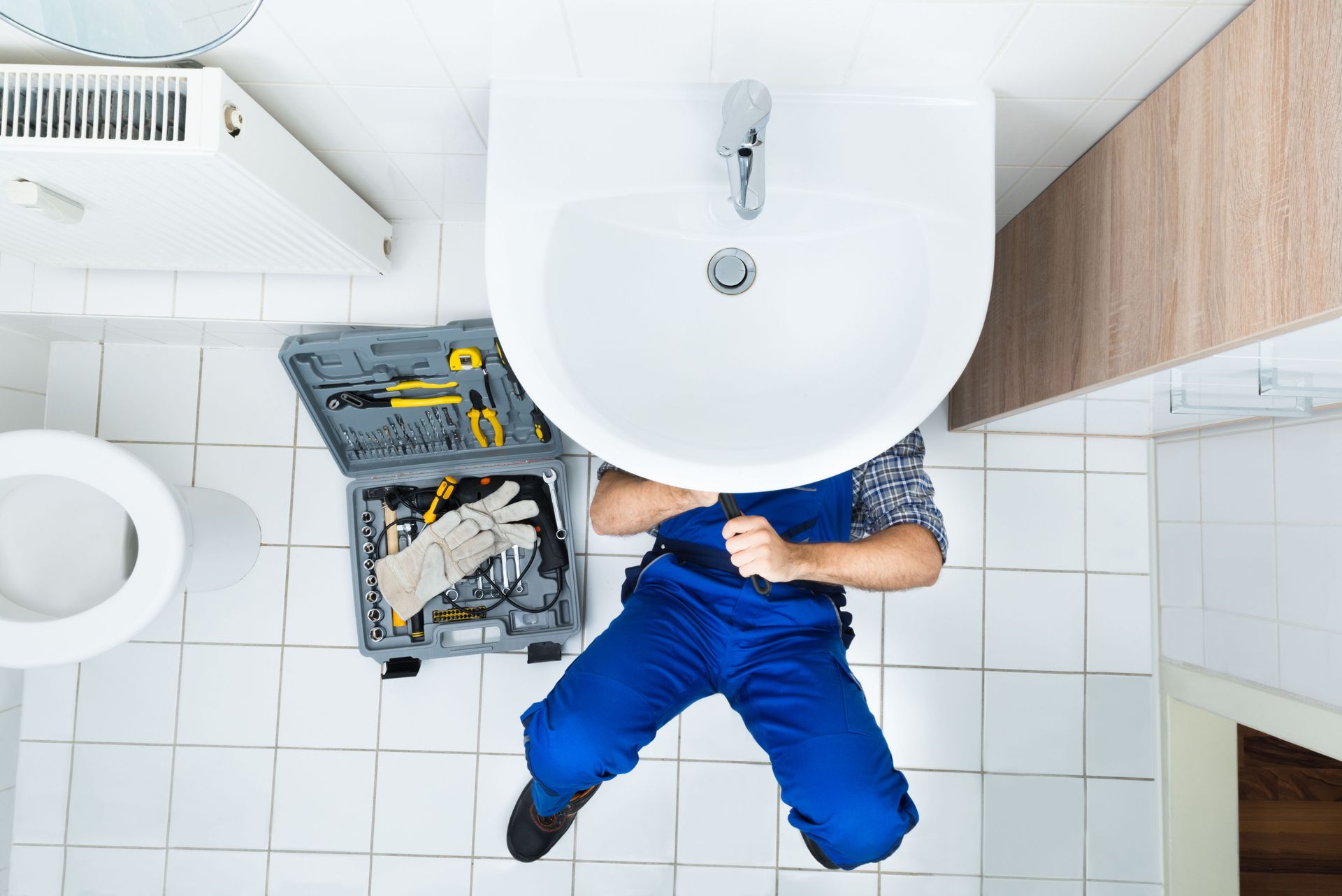
Water damage remains the most persistent threat to structural integrity within commercial properties. A professional building maintenance service prioritizes the monitoring of pipes, valves, and drainage systems to prevent catastrophic flooding. Regular inspections of high-use areas help identify early signs of wear that often go unnoticed by general occupants during their daily routines. Constant surveillance of these hidden networks acts as a vital shield against unforeseen repair costs.
According to Property Meld, of the top ten most common building maintenance issues, half are water-related (leaks, toilets, sinks, drains, and tubs), making moisture control the most frequent headache for facility managers. Addressing these concerns through a structured schedule allows for the replacement of gaskets and seals before they fail. This level of attention preserves the building's infrastructure and prevents the growth of mold or mildew. Swift intervention at the first sign of a drip can save thousands of dollars in restoration fees later.
Maintaining consistent water pressure and functional drainage is vital for a healthy work environment. When experts oversee these systems, they check for silent leaks in walls or foundations that might otherwise lead to significant rot. This focus on the plumbing network keeps the facility running smoothly while protecting the owner’s long-term investment from the devastating effects of unmanaged moisture. Proper calibration of water heaters also plays a role in reducing utility waste and increasing user satisfaction.
Maintaining Optimal Climate Control
Systems for climate control are the lungs of any modern facility, requiring precise calibration to function efficiently. An experienced building maintenance service monitors HVAC units to maintain air quality and temperature consistency throughout every season. Technicians focus on cleaning coils, replacing filters, and checking refrigerant levels to prevent the system from overworking itself during peak summer or winter months. Consistent airflow monitoring prevents the buildup of dust that can damage sensitive office equipment.
Ventilation management plays a critical role in the comfort and health of building occupants. Proper airflow reduces the concentration of airborne pollutants and regulates humidity levels, which can impact both electronics and structural materials. By sticking to a rigid mechanical schedule, the service team identifies worn belts or failing motors that could cause a total system shutdown if ignored. These routine checks contribute to a stable indoor climate regardless of external weather shifts.
Energy efficiency is a natural byproduct of a well-maintained heating and cooling system. When components are clean and lubricated, they require less power to move air and regulate temperatures. This systematic approach to mechanical care helps extend the lifespan of expensive rooftop units and boilers. Keeping these systems in peak condition is a fundamental pillar of modern property management strategies. High-functioning HVAC units also reduce the carbon footprint of the entire commercial operation.
Managing Rigorous Janitorial Standards
A high standard of cleanliness is about more than just appearances; it is about sanitation and surface preservation. A professional building maintenance service uses specialized protocols to eliminate pathogens and allergens from high-traffic areas. This process involves the strategic use of disinfectants on touchpoints like door handles, elevator buttons, and light switches to promote a healthier indoor environment. Thorough sanitation practices help minimize the spread of seasonal illnesses among the workforce.
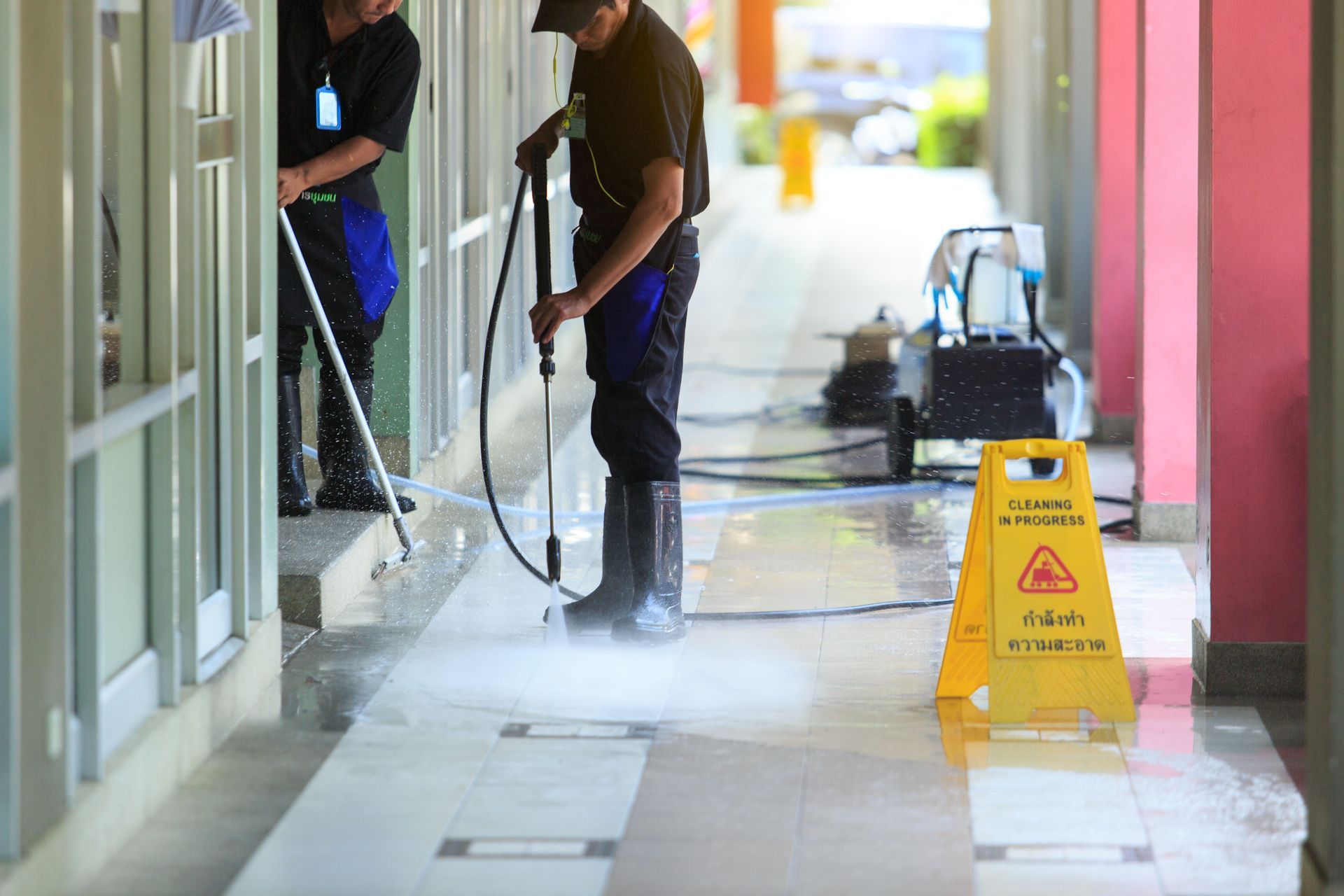
Floor care is another vital aspect of the janitorial component, as different materials require specific chemical treatments. Whether it is stripping and waxing VCT tile or deep cleaning carpets, the goal is to prevent permanent staining and physical abrasion. Consistent debris removal prevents grit from acting like sandpaper on expensive flooring finishes, which helps maintain the aesthetic appeal of the lobby and hallways. Routine buffing and polishing restore the original luster of stone and hardwood surfaces.
Waste management and restroom sanitation require a disciplined daily routine to prevent odors and bacterial spread. Restrooms must be stocked and scrubbed with industrial-grade solutions to meet health codes and user expectations. A dedicated team follows these strict workflows to provide a polished environment that reflects the professionalism of the businesses operating within the walls of the facility. Attention to detail in these spaces often serves as a primary indicator of overall building quality.
Monitoring Critical Electrical Systems
Electrical infrastructure is the backbone of modern operations, powering everything from servers to security lighting. A comprehensive building maintenance service includes regular visual inspections of panels, breakers, and wiring to identify signs of overheating or frayed insulation. Professionals check for flickering lights or tripped circuits that might indicate an underlying load imbalance within the building's electrical grid. Keeping electrical closets organized and dust-free reduces the risk of accidental arc flashes.
Safety remains the primary objective when managing high-voltage components and emergency backup systems. Exit signs and emergency lighting must be tested monthly to comply with local fire codes and safety regulations. Keeping these systems functional provides a clear path for occupants during a power failure, preventing confusion or injury during unexpected outages or emergency situations. Regular battery testing for backup generators confirms that critical systems will stay online during a municipal grid failure.
Upgrading to energy-efficient lighting solutions like LEDs is often part of a forward-thinking maintenance strategy. Technicians replace ballast units and old bulbs to reduce the heat load on the HVAC system while improving visibility for staff and visitors. This technical oversight prevents electrical fires and keeps the facility compliant with evolving energy standards and municipal safety requirements. Modern sensor-based lighting controls further optimize power usage in low-occupancy zones like storage rooms.
Maximizing Exterior Structural Integrity
The building envelope is the first line of defense against the elements and requires constant vigilance. A skilled building maintenance service examines the roof, siding, and windows for cracks or gaps that could allow pests or water to enter. Clearing gutters and downspouts is a simple yet vital task that prevents water from pooling near the foundation and causing soil erosion. Regular caulking of window frames keeps drafts out and maintains the thermal efficiency of the structure.
Parking lots and walkways also fall under the umbrella of exterior care to prevent trip hazards and liability issues. Filling cracks in asphalt and repairing uneven sidewalk slabs prevents minor weathering from turning into major reconstruction projects. Clear signage and well-maintained striping improve traffic flow and safety for everyone who visits the property throughout the work week. Pressure washing these surfaces removes oil stains and salt deposits that can degrade concrete over time.
Landscape management contributes to both the curb appeal and the drainage efficiency of the site. Trimming trees away from power lines and the roof prevents storm damage, while proper mulch placement helps regulate soil moisture. By treating the exterior as a cohesive system, the maintenance team protects the building from the outside in, providing a secure and welcoming gateway for all users. Well-kept grounds also discourage unauthorized access by maintaining clear lines of sight for security personnel.
A modern building maintenance service combines technical skill with a disciplined schedule to create a safe, clean, and efficient workspace. By addressing plumbing, HVAC, janitorial, electrical, and exterior needs, property managers can avoid the pitfalls of neglect. Professionalism in these essential areas creates a foundation for long-term operational success. Investing in these services represents a commitment to excellence that benefits the entire local community. Contact EMCEE Building Services today to schedule a comprehensive consultation for your facility.