September 1, 2026
Maintaining a property's integrity through preventative measures is essential to avoid unexpected and expensive repairs. This article lays out a detailed guide on how to effectively implement proactive strategies for your facility. Foresight in building maintenance preserves structural integrity and enhances value over time. Implementing these measures early prevents minor issues from compounding into massive financial burdens down the road. By committing to a regular upkeep schedule, managers can minimize stressful emergency situations. Let us explore the steps you can take to protect your investment and ensure your facility remains in excellent condition.
Scheduling Regular Inspections to Prevent Issues
Frequent evaluations help identify issues before they escalate into major problems, highlighting areas that need urgent attention. According to Intel Market Research, roughly 40% of commercial properties across North America have now surpassed 30 years of age, creating a massive surge in the need for frequent structural and safety compliance assessments. Addressing aging infrastructures proactively prevents sudden disruptions that halt daily operations. Finding minor faults early is cheaper than repairing major failures later. Hence, regular inspections are a strategic approach to building maintenance.
Establishing a routine inspection schedule is crucial for systematic upkeep. The schedule should cater to structural elements, including plumbing, electrical systems, and exterior spaces. Depending on facility size, inspections could occur weekly, monthly, or annually. Scheduled inspections ensure all areas get equal attention.
While it is tempting to handle everything internally, hiring professionals offers unmatched expertise. Professionals are trained to notice slight anomalies that may escape an untrained eye. Their insights enable them to diagnose issues effectively, provide actionable recommendations, and ensure systems comply with current regulations. Having external experts review your systems provides crucial peace of mind for daily business operations.
Servicing HVAC Systems With Care and Diligence
Regularly changing air filters is fundamental to keeping HVAC units running efficiently. Failure to replace filters can result in restricted airflow, demanding more energy and increasing operational costs. Comprehensive building maintenance should also involve detailed ductwork examinations to ensure unobstructed airflow, extending the performance lifespan. Without timely checks, the system may strain, leading to overheating and costly replacements. Keeping ventilation clean contributes significantly to maintaining excellent indoor air quality.
Scheduled professional tune-ups protect against breakdowns and optimize efficiency. Experts can identify worn-out components, check refrigerant levels, and ensure all parts function smoothly. Proactively tending to these signs reduces overall costs associated with emergency repairs. An efficient HVAC system translates into energy conservation.
Newer, energy-efficient units can lead to substantial savings and improved comfort. Upgrading involves an upfront cost but rewards the owner with reduced energy usage. Continuous monitoring contributes to resource efficiency and decreased waste over time.
Inspecting Plumbing Systems to Avoid Water Damage
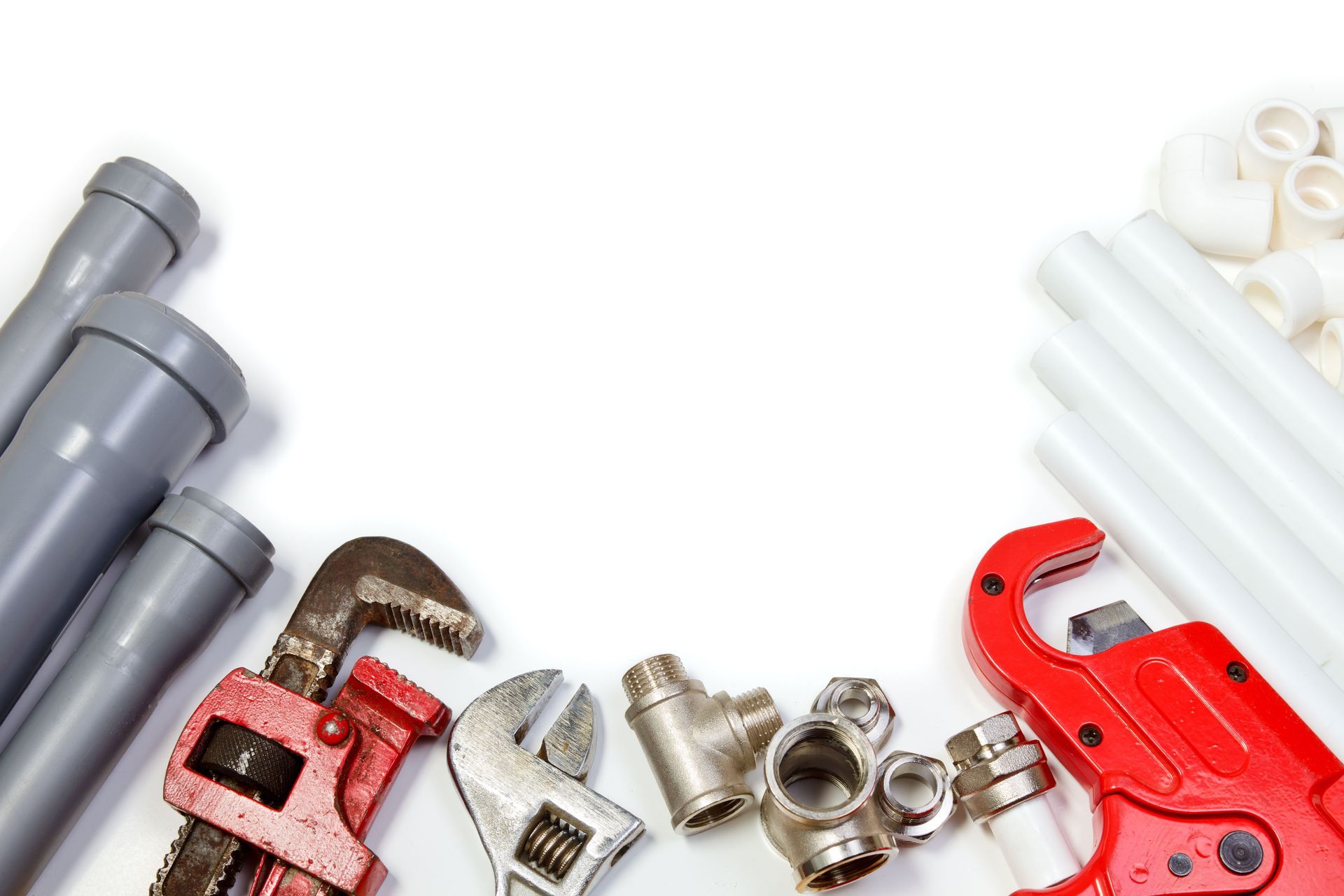
Plumbing upkeep is essential to prevent potentially disruptive repair concerns. Monthly checks aimed at detecting leaks can mitigate water damage that is silently destructive. Proper building maintenance becomes increasingly critical with older plumbing infrastructures, which are prone to failures. Ignoring small leaks can lead to larger problems that may require complete replacements rather than simple fixes. Swift action preserves wall structures and flooring from rotting entirely.
Regular pipe inspections are indispensable for commercial properties equipped with complex networks. These inspections should focus on visible signs of corrosion or blockages that might necessitate replacements. Because older systems are fragile, routine check-ups are required to maintain stability under daily usage pressures. Using camera systems for non-invasive evaluations frequently reveals blockages that might otherwise escape detection.
Preventative actions extend to effective drain care, ensuring drainage systems remain unclogged. Ensuring grease and debris are kept out of drains forestalls preventable clogs and overflow issues. Winterizing plumbing systems shields pipes from seasonal freeze damage. Proactive strategies promote continuous operations.
Evaluating Roof and Gutter Health for Long-Term Safety
The roof stands as a primary defense against weather elements, making its upkeep a top priority. Regular inspections for damage, such as loose shingles or flashing faults, should occur after significant weather events. Thorough building maintenance makes it cost-effective to assess and perform minor repairs in a timely manner, shoring up vulnerabilities before they spiral into significant expenses. Proactive roof inspections extend lifespan and assure continuous safety for everyone inside. Looking for ponding water on flat surfaces helps avoid undue weight stress.
Gutters serve a crucial role in diverting water away from the foundation. Regular cleaning is necessary to avoid backups that could lead water to seep into foundations, causing erosion over time. Blocked gutters become hazardous during heavy rain, risking overflow and interior water intrusion. Repairing gutter systems at the first sign of wear ensures proper functioning across seasons. Consistent gutter upkeep helps ensure efficient water diversion.
Handling ice dams in winter prevents water from backing up under shingles, which can lead to severe roof damage. Snow removal mitigates the risk of ice dams by reducing weight on the roof. Proactive winter safety planning keeps roofs secure.
Securing Electrical Systems With Routine Checks
Maintaining the integrity of electrical systems is paramount for safety and energy efficiency. Regular monitoring of circuit breakers and panels ensures electrical flow remains unimpeded and safe. Ensuring circuit breaker health limits risks posed by unexpected short circuits or surges – issues that, if unchecked, might invite extensive repair costs. Watching for flickering lights provides early clues of wiring distress behind walls. Professional evaluations protect occupants and reinforce overall safety standards across your facility.
Testing smoke and carbon monoxide detectors is a lifesaving preventative check often neglected. Intermittent checking assures these detection systems are fully operational, safeguarding life and property. Functioning detectors provide essential early warnings against fire hazards, granting necessary reaction time. Regular testing and replacement of faulty detectors should be scheduled annually to maintain effective safety mitigation. Verifying that exit signs operate perfectly adds another critical layer of protection.
Inspection of electrical wiring and outlets is required because insulation can degrade over time. These checks may reveal outdated wiring that should be modernized to meet present-day requirements. A professional electrical evaluation delivers insights needed to implement energy-saving measures that reduce utility expenses. Switching to advanced lighting controls significantly cuts down on electricity consumption.
Preserving Exterior Grounds and Surfaces From Harm
Well-maintained exteriors complement the structural integrity within, making the upkeep of these surfaces essential. Sealing cracks in pavement and walls prevents water ingress, which can have severe repercussions on foundational steadiness. By proactively attending to these minor issues, the potential for compounded damage is reduced, preserving property valuation. Keeping walkways smooth and free of potholes prevents tripping hazards that could lead to unfortunate accidents. Visitors appreciate the confidence imparted by a well-maintained exterior.
Regular landscaping supports foundation health while enhancing the aesthetic appeal of a property. Thoughtfully planned landscaping directs water flow away from foundations, limiting pooling that could lead to structural issues. Strategic planting and upkeep protect from erosion around the base, adding security against water-related impacts. Routine checks on drainage, plant placement, and soil stability yield a harmonious coexistence with the built environment. Landscaping is a core component of comprehensive building maintenance.
Checking windows and doors for drafts mitigates energy loss, directly impacting utility costs. Drafty exteriors permit unregulated airflow, leading to burdens on HVAC systems and increased energy expenditure. Painting and protecting exterior surfaces shield underlying materials from weather exposure. Conscientiously weatherproofed properties symbolize responsible ownership.
Adhering to a consistent preventative schedule significantly reduces the likelihood of unforeseen repairs. This proactive stance preserves structural integrity and extends lifespan while keeping occupants safe. Integrating comprehensive routines leads to reduced downtime, minimized expenses, and enhanced property value. A proactive approach to upkeep reflects diligence, preparing properties for the demands of an evolving landscape. Taking the time to care for these physical assets guarantees a stable environment for daily activities. When you require a reliable partner for building maintenance, we are here to support your goals. At EMCEE Building Services, our team provides building services, security services, and light property maintenance. Reach out to us today to ensure your property remains safe, efficient, and completely protected.