June 9, 2026
Commercial buildings rely on interconnected systems that must operate efficiently every day to support tenants, operations, and safety standards. When these systems are neglected, performance declines, energy costs rise, and emergency repairs become more frequent. Extending system lifespan requires consistent care, strategic planning, and proactive oversight. One of the most effective ways to achieve this is through reliable local building maintenance services that address issues before they escalate.
Implementing Preventive Maintenance Programs
A structured preventative maintenance program is the foundation of long-term system performance. Instead of reacting to breakdowns, building operators can identify wear and inefficiencies early, reducing costly disruptions and extending equipment life. Facilities that invest in consistent inspections and scheduled servicing often experience fewer emergencies and improved operational stability. This approach also helps create predictable maintenance budgets, allowing property managers to allocate resources more effectively rather than facing sudden, unplanned expenses. Over time, preventive maintenance becomes a cost-control strategy as much as a performance strategy, ensuring that systems operate within manufacturer specifications and recommended tolerances.
Local building maintenance services play a critical role in developing and executing these programs. Their expertise ensures that maintenance schedules are not only created but also consistently followed and adjusted based on real-world building conditions. These professionals can identify patterns of wear that may not be obvious during routine internal checks, helping prevent small issues from developing into major system failures.
Typical preventative strategies include:
- Routine inspections of mechanical, electrical, and plumbing systems
- Scheduled filter changes, lubrication, and calibration of equipment
- Seasonal system preparation and shutdown procedures
- Documentation of maintenance history for predictive planning
In addition to these core tasks, effective programs often include performance monitoring and system testing to verify efficiency levels. This can involve checking energy consumption trends, evaluating system output consistency, and identifying early warning signs of component fatigue. These insights allow maintenance teams to intervene before performance declines significantly.
By maintaining consistency, property managers reduce the likelihood of unexpected failures and improve asset longevity. Over time, these efforts lead to lower operating costs and fewer emergency interventions, while also supporting safer and more reliable building operations overall.
Optimizing HVAC System Performance
Heating, ventilation, and air conditioning systems are among the most heavily used components in any commercial building. According to Oxmaint, HVAC-related issues now represent roughly 25% to 30% of maintenance requests, and they often lead to some of the highest costs due to emergency repair premiums. This is largely because HVAC systems operate continuously and are highly sensitive to neglect, filter clogging, refrigerant imbalance, and mechanical wear that gradually reduces efficiency over time. When performance declines, the system must work harder to maintain set temperatures, which increases energy consumption and accelerates component fatigue.
Improving HVAC performance requires both routine care and system optimization. Key practices include:
- Replacing air filters on a consistent schedule
- Inspecting ductwork for leaks or blockages
- Calibrating thermostats and control systems
- Monitoring refrigerant levels and system pressure
Beyond these core tasks, system efficiency can be further improved through regular airflow balancing and seasonal performance testing. Air balancing ensures that heating and cooling are distributed evenly throughout the building, preventing overworked zones and temperature inconsistencies. Seasonal commissioning, especially before peak heating or cooling periods, helps verify that all components are functioning correctly under load conditions.
Another important aspect of HVAC optimization is tracking system performance data over time. Monitoring energy usage trends and equipment cycling frequency can reveal early signs of inefficiency or failing components. This allows maintenance teams to address problems before they escalate into system-wide failures.
When supported by local building maintenance services, HVAC systems run more efficiently, consume less energy, and experience fewer breakdowns. These services ensure that inspections and tune-ups are performed on schedule and in accordance with manufacturer specifications. This not only improves occupant comfort but also significantly extends equipment lifespan by reducing strain on critical components and maintaining consistent operating conditions year-round.
Maintaining Electrical Systems for Reliability
Electrical systems form the backbone of all commercial operations, powering lighting, equipment, security systems, and essential infrastructure. When electrical components fail, the impact can range from a minor inconvenience to a serious safety hazard. Preventing these issues requires ongoing inspection and maintenance.
Key strategies for maintaining electrical reliability include:
- Inspecting wiring, panels, and circuit breakers for wear or overheating
- Testing backup generators and emergency power systems regularly
- Ensuring proper load distribution across circuits
- Updating outdated components to meet current safety standards
Local building maintenance services help ensure these tasks are consistently performed and comply with regulations. Preventive electrical care reduces the risk of outages and protects sensitive equipment from damage caused by power fluctuations or surges. Over time, this level of oversight contributes to a safer and more stable building environment.
Preserving Plumbing and Water Systems
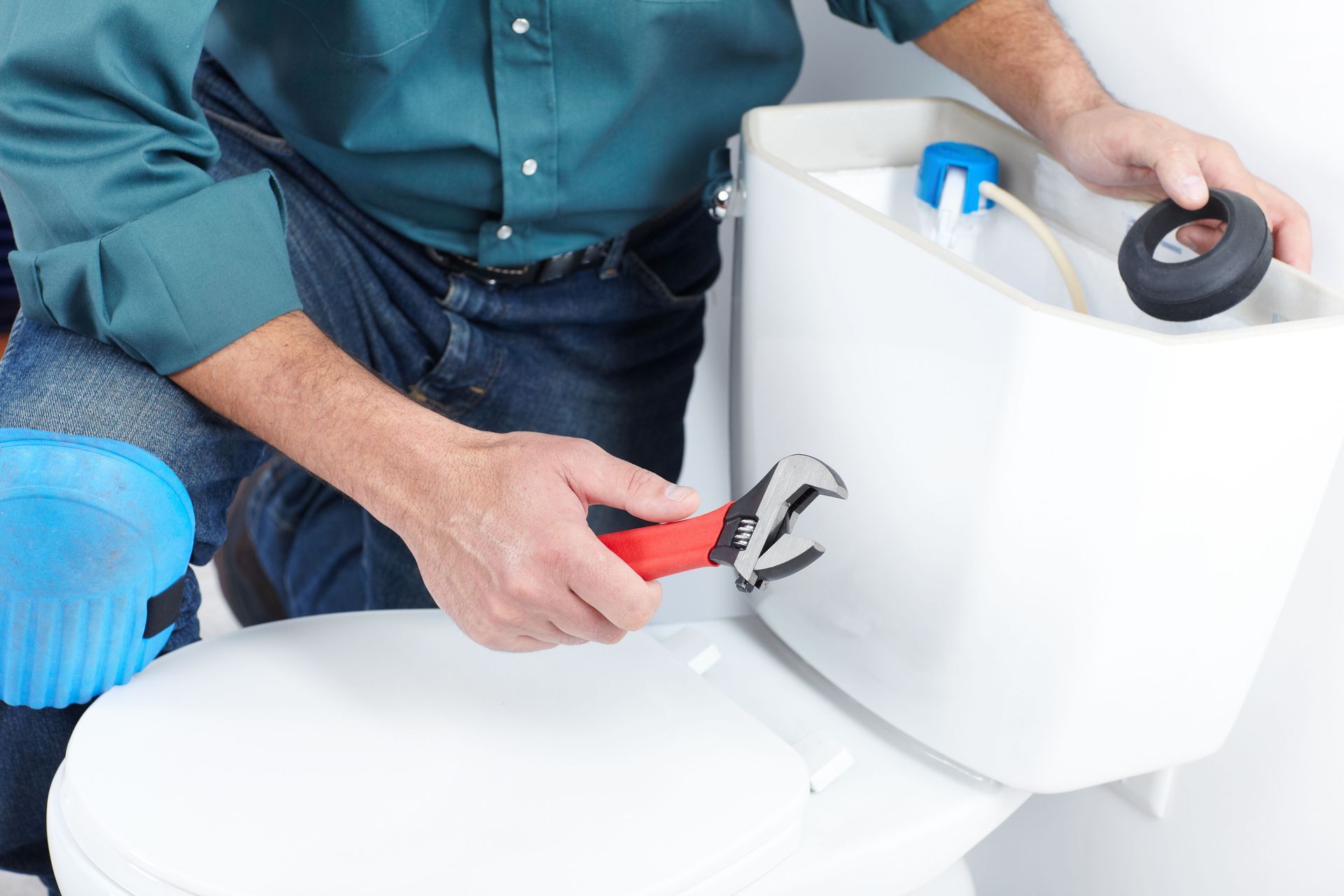
Plumbing systems are often overlooked until a failure occurs, yet they play a critical role in daily building operations. Leaks, blockages, and water pressure issues can cause structural damage, increase utility costs, and disrupt tenant activities. Proactive maintenance is essential to avoid these outcomes.
Effective plumbing system care includes:
- Inspecting pipes for corrosion, leaks, and joint weaknesses
- Cleaning drains and preventing buildup in waste lines
- Monitoring water pressure levels to avoid system strain
- Checking fixtures and valves for consistent performance
By working with local building maintenance services, property managers can identify small issues before they escalate into major repairs. Preventive plumbing care also reduces water waste and helps maintain regulatory compliance, both of which are increasingly important in commercial property management.
Enhancing Building Envelope and Structural Integrity
The building envelope, which includes walls, roofing, insulation, and windows, plays a key role in protecting internal systems and maintaining energy efficiency. When the envelope is compromised, HVAC and electrical systems must work harder, leading to increased wear and higher operational costs.
Maintaining structural integrity involves:
- Regular roof inspections to identify leaks or material degradation
- Sealing windows and doors to prevent air infiltration
- Monitoring insulation effectiveness and upgrading when necessary
- Addressing cracks or moisture intrusion in exterior walls
Strong building envelope maintenance supports all internal systems by reducing environmental stress. Local building maintenance services ensure that these issues are identified early, helping prevent cascading damage that can shorten the lifespan of critical infrastructure.
Leveraging Professional Local Building Maintenance Services
While internal maintenance efforts are valuable, partnering with experienced professionals offers greater consistency and expertise. EMCEE Building Services offers comprehensive solutions, including HVAC maintenance, electrical system support, plumbing services, and preventive maintenance programs designed to extend system longevity and improve overall efficiency.
Professional oversight ensures that maintenance schedules are followed, systems are properly documented, and issues are addressed before they become costly failures. This approach is especially important in complex commercial environments where multiple systems operate simultaneously and depend on one another.
Working with local building maintenance services also improves long-term planning. Data collected from routine inspections can be used to forecast replacement cycles, budget for upgrades, and prioritize system improvements. This reduces downtime and ensures that building operations remain stable and predictable.
In addition, professional teams bring specialized tools and training that allow them to diagnose problems more accurately and resolve them more efficiently than reactive maintenance approaches.
Extending the life of commercial building systems requires a proactive and structured approach that prioritizes prevention over reaction. From HVAC optimization and electrical reliability to plumbing care and structural maintenance, every system contributes to overall building performance.
Consistent use of local building maintenance services helps ensure these systems operate efficiently, safely, and cost-effectively over time. For long-term protection, improved efficiency, and dependable facility performance, partner with EMCEE Building Services.